














When British commuters and fitness enthusiasts debate yfood vs huel, they are addressing a genuine modern workplace challenge: how to fuel a demanding schedule without succumbing to £5 to £8 high-street meal deals or nutritional compromise. For years, Huel dominated the UK functional nutrition market as the undisputed benchmark. However, the meteoric rise of German challenger yfood has established a genuine huel alternative that prioritises silky milkshake-like texture and ready-to-drink convenience over DIY shaker prep. Delivering between 400 and 500 balanced calories alongside 26g to 33g of protein per serving, both brands promise complete nutrition for under £3.50. Wondering whether Huel, yfood, Jimmy Joy, or BOL Foods fits your daily schedule and dietary preferences? Try our Meal Replacement Matcher ↓ for an instant personalised nutrition fit. At BudgetFitter, our consumer review examined macro profiles, ingredient sourcing, texture, and cost per meal to determine which bottle truly delivers optimal value for your daily routine.
What is Yfood, and Why is It Shaking Up the UK Market?
Founded in Munich and rapidly expanding across British supermarkets and digital storefronts, yfood was created to eliminate the traditional compromises of meal replacement shakes: chalky textures, artificial aftertastes, and messy blender bottles. Unlike early industry pioneers who targeted gym purists with giant powder tubs, yfood entered the mainstream lifestyle space with sleek, chilled, ready-to-drink (RTD) bottles sold in Boots, Sainsbury’s, and direct-to-consumer online subscriptions.
Every 500ml bottle delivers roughly 500 calories, balanced macronutrients (26-33g of protein, complex carbohydrates from oats, and healthy fats from sunflower and rapeseed oil), plus 26 essential vitamins and minerals. The standout commercial advantage of yfood is flavour innovation. With permanent staples like Smooth Vanilla, Classic Choc, and Fresh Berry—alongside seasonal limited-edition drops like Hazelnut and Salted Caramel—yfood tastes remarkably close to a dessert milkshake rather than a utilitarian survival ration.

The Direct Comparison: Yfood vs Huel Head-to-Head
To understand which solution aligns with your lifestyle, let’s examine how the flagship ready-to-drink bottles and powders compare across core nutritional and economic metrics:
| Feature / Metric | yfood (RTD 500ml) | Huel Ready-to-Drink | Huel Powder v3.1 |
|---|---|---|---|
| Calories per Serving | 500 kcal | 400 kcal | 400 kcal |
| Protein Content | 33g (Milk Protein) | 22g – 35g (Plant-based) | 30g (Pea and Rice) |
| Carbohydrates / Sugar | 33g / 22g (Lactose breakdown) | 36g / 4.4g | 37g / 1.2g |
| Cost per Meal (Single Retail) | £3.00 – £3.50 | £3.20 – £3.60 | N/A (Bulk only) |
| Cost per Meal (Subscription) | £2.50 – £2.80 | £2.70 – £3.10 | £1.51 – £1.85 |
| Convenience Factor | 10/10 (Grab and go, ambient) | 10/10 (Grab and go, ambient) | 6/10 (Requires water, shaker, wash-up) |
| Dietary Suitability | Lactose-free milk (Vegan options) | 100% Vegan / Plant-Based | 100% Vegan / Gluten-Free options |
Nutritional Philosophy: Dairy vs Plant-Based Architecture
The core divergence in the yfood vs huel debate comes down to their foundational protein sources and macronutrient philosophies:
yfood’s Milk-Based Protein Formulation
The standard yfood range prioritises an ultra-filtered, lactose-free semi-skimmed milk foundation. This natural dairy base is the secret behind its creamy mouthfeel and high natural protein content (33g per bottle). However, because milk naturally contains lactose (which yfood breaks down with lactase enzyme into glucose and galactose), the total carbohydrate and sugar reading on the label sits around 22g per bottle. While this is not added table sugar, low-carb keto practitioners and strict vegans must opt for yfood’s separate plant-based range.
Huel’s 100% Plant-Powered Architecture
From day one, Huel built its reputation on a 100% plant-based foundation using pea protein, brown rice protein, flaxseed, and gluten-free oats. Huel contains substantially less sugar (often under 1g per serving in their Black Edition powder) and provides higher dietary fibre (around 7-8g per meal). If you prioritise gut microbiome fibre diversity, minimal glycemic impact, and ethical vegan credentials, Huel holds the scientific high ground.
Taste, Texture, and the Chalkiness Factor
For British consumers moving away from greasy fast food, taste is the make-or-break criterion. This is precisely where yfood earned its social media prominence as the ultimate Huel alternative.
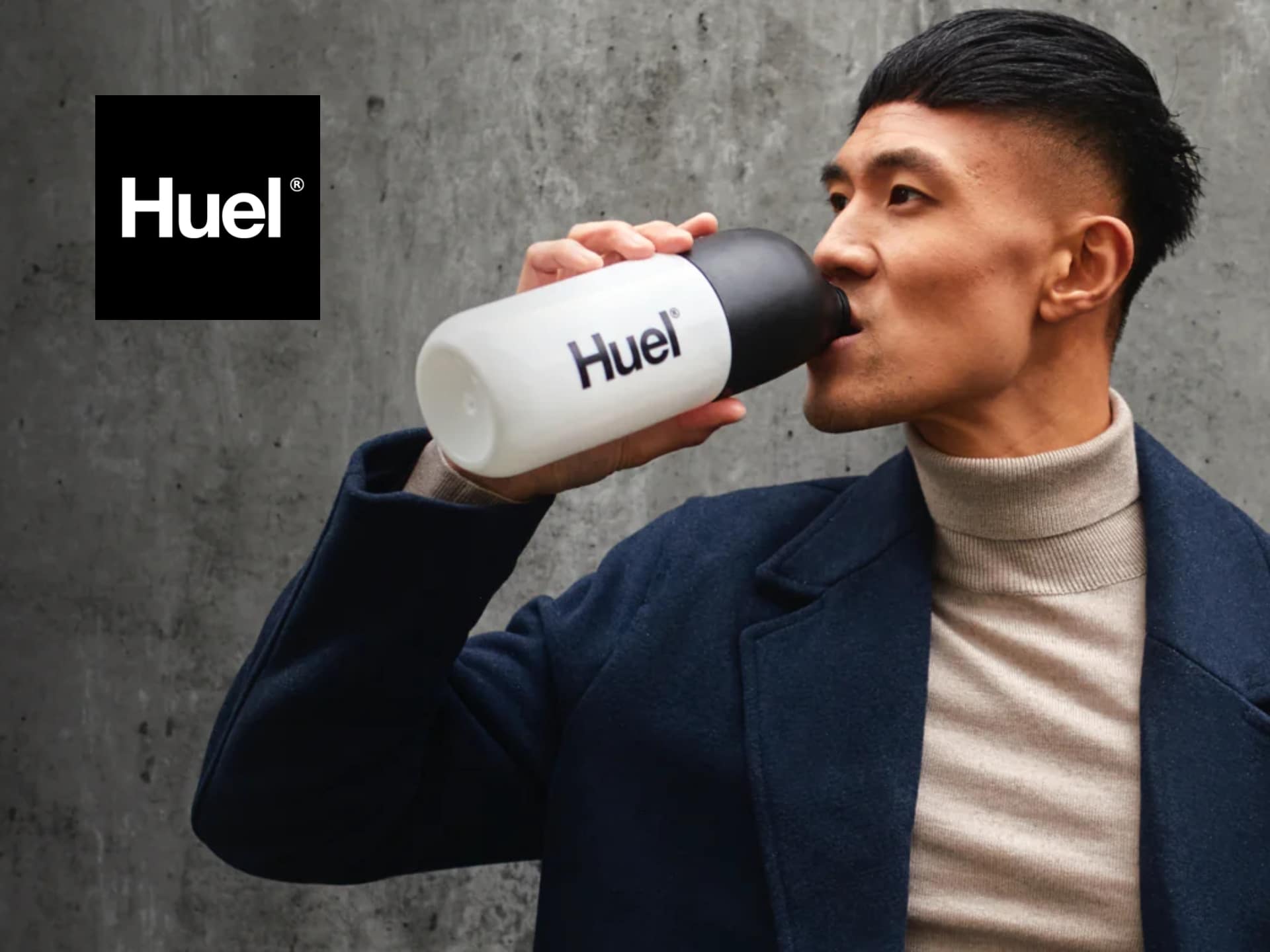
Even Huel’s most loyal advocates concede that their powder shakes carry a distinct, textured oat graininess. While perfectly palatable when blended with ice or refrigerated overnight, a hand-shaken Huel bottle on a warm train commute can feel heavy. Huel’s RTD bottles have improved dramatically, yet they still retain an earthy undertone.
In contrast, drinking a chilled yfood bottle feels almost indistinguishable from a supermarket Frijj or Yazoo milkshake. The dairy filtration eliminates chalkiness entirely, masking the vitamin and mineral premix beneath a luscious, smooth consistency. For anyone whose previous meal shake attempts failed due to texture aversion, yfood represents a quantum leap forward.
Financial Breakdown: Cost per Meal and Long-Term Savings
When calculating the economics of meal replacement, you must distinguish between convenience-first bottles and cost-first bulk powders:
To inspect active flavour selections and ongoing subscription promotions, you can visit yfood directly to claim your first delivery discount.
The Commuter Scenario: Ready-to-Drink Shakes
Buying a single yfood or Huel RTD bottle from a high-street retailer costs roughly £3.00 to £3.50. While this is higher than homemade food, it instantly saves £2.00 to £4.50 compared to a Pret A Manger baguette or Leon lunch box. Over a 20-day working month, swapping meal-deal lunches for yfood bottles pockets £40 to £80 in direct savings.
The Home Office Scenario: Bulk Powders
If you are working from home or have access to cold tap water and a sink, Huel powder is unbeatably economical. At £1.51 to £1.85 per 400-calorie shake, replacing 20 lunches a month costs just £30 to £37 total—delivering £80+ in monthly household food bill reductions. yfood also produces a powder tub format, though its cost per scoop remains marginally higher than Huel v3.1.
First-time customers can take advantage of our exclusive referral promotion by entering the code REF-FATIHO5355 at checkout when you visit Huel to knock £20 off your initial starter kit or powder bundles.
For smart grocery budgeting alongside your meal shake routine, explore our investigative guide on the best time for supermarket reductions in the UK, or consult our breakdown of the best free food apps in the UK to slash weekly household food costs even further.
Alternative Smart Nutrition Options for British Shoppers
While yfood and Huel dominate the shake sector, they are not the only options for health-conscious British consumers seeking convenient nutrition without cooking from scratch:
For those who prefer wholefood textures over liquids, brands like BOL Foods provide fresh, microwave-ready plant-based dinner pots, ramen bowls, and Power Soups packed with up to 32g of protein. You can explore their full range when you visit BOL Foods for wholesome desk lunches that bypass the shake format entirely. Alternatively, if you prefer cooking balanced evening meals without the hassle of meal planning and supermarket queues, read our comprehensive HelloFresh UK review to see how flexible dinner recipe boxes compare on cost and nutritional variety.
Interactive Matcher: Find Your Ideal Meal Replacement & RTD Powder
Every nutritional routine requires a different balance between macronutrient profiles, convenience, flavour authenticity, and cost-per-serving. Whether you are weighing ready-to-drink convenience against budget-friendly bulk powder pouches—or debating between yfood, Huel, Jimmy Joy, and BOL Foods—navigating nutrition labels and subscription minimums can be daunting. Answer 4 quick questions below about your daily schedule, dietary preferences, and target protein requirements. BudgetFitter’s recommendation engine will instantly rank the top functional food brands tailored to your lifestyle and budget.
Final Verdict: Which Brand Should You Choose?
In the final evaluation between yfood vs huel, there is no single universal winner—the right choice depends entirely on your daily lifestyle friction:
Choose yfood if:
- Superior Milkshake Consistency: You prioritise a silky, dessert-style mouthfeel and refuse to drink chalky or grainy textures.
- Commuter Convenience: You want instant grab-and-go convenience without washing shakers on your daily London Underground commute.
- Higher Calorie & Protein Fuel: You want a substantial sustained energy load (500 kcal) and 33g of complete milk protein per ready-to-drink bottle.
- Natural Dairy Sugar Trade-Off: You do not mind ~22g of natural lactose sugars per bottle, or you opt specifically for yfood’s dedicated plant-based line.
Choose Huel if:
- Unbeatable Cost per Meal: Your primary objective is minimum cost per meal (£1.51 to £1.85 using bulk powder subscriptions).
- 100% Plant-Powered Macro Profile: You require vegan-friendly, low-sugar (<1g), high prebiotic fibre (7–8g) clean nutrition.
- Home Office Customisation: You enjoy tailoring your shake consistency with blenders, ice, espresso shots, or frozen fruit at home.
- Preparation & Washing Overhead: You are comfortable rinsing shakers immediately after use to prevent stubborn residue.
Browse our complete Smart Nutrition & Supermarkets category hub to discover verified discount codes, meal delivery reviews, and functional food savings across the UK.











Leave a Comment
Join the community discussion
Sign in to share verified discount codes, report expired deals, or connect with fellow smart savers.
No comments yet. Be the first!
Be the first to share an active discount code, referral link, or shopping experience with our community.